Skip to content
deep tail tech

WorkFishie

The diary that learns how you fish

An AI fishing companion built around a private diary, then kept growing with the people who use it.

Dario De Sanctis is an Italian spearfisher, born in Milan and now in La Spezia. He has been in the water since he was a boy. Through Apnea Facile and Team Arrow he already speaks to that community: courses, documentaries, the language of the Mediterranean. Years of outings, spots, catches, blank days, and completely different sea conditions had piled up as memory. What he did not have was a product that could turn that field record into something a spearfisher would actually use. Fishie had to feel like a companion on the boat — the gommone — with private spots, a real diary, and advice that gets more specific as that history grows. It also had to stay quiet when the history was still thin.

Client
Fishie
Year
2026
Services
AI Assistants · Custom Software · Product development
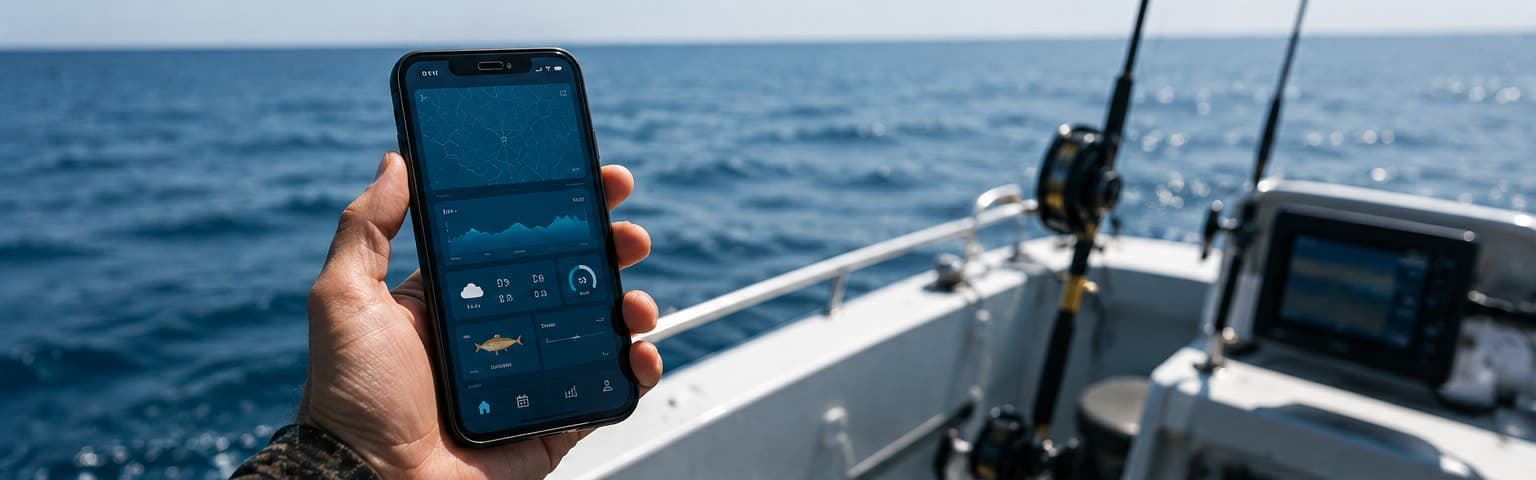
Fishie — campaign visual
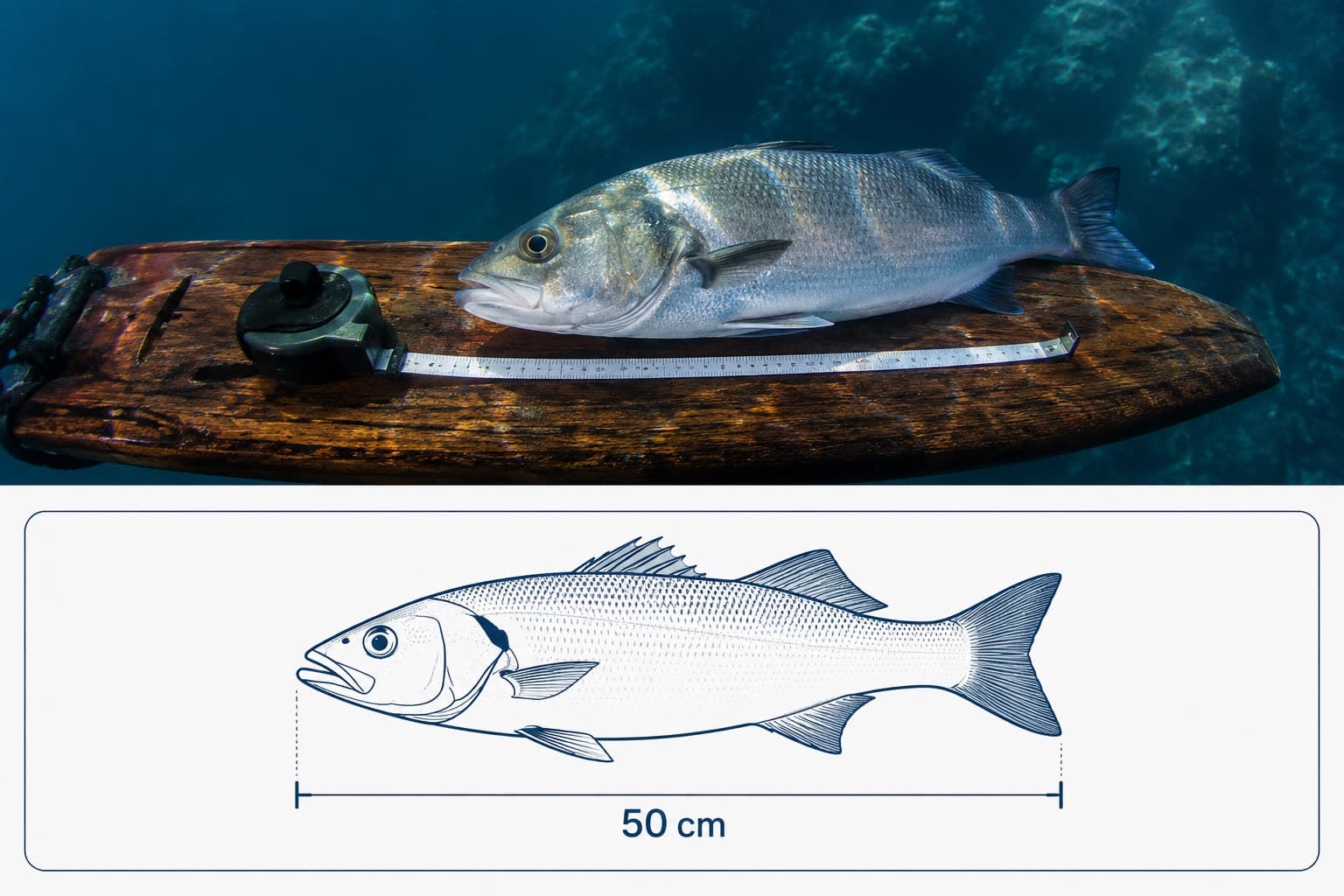
Measured catch on a board with a Fishie minimum-size diagram
Diary
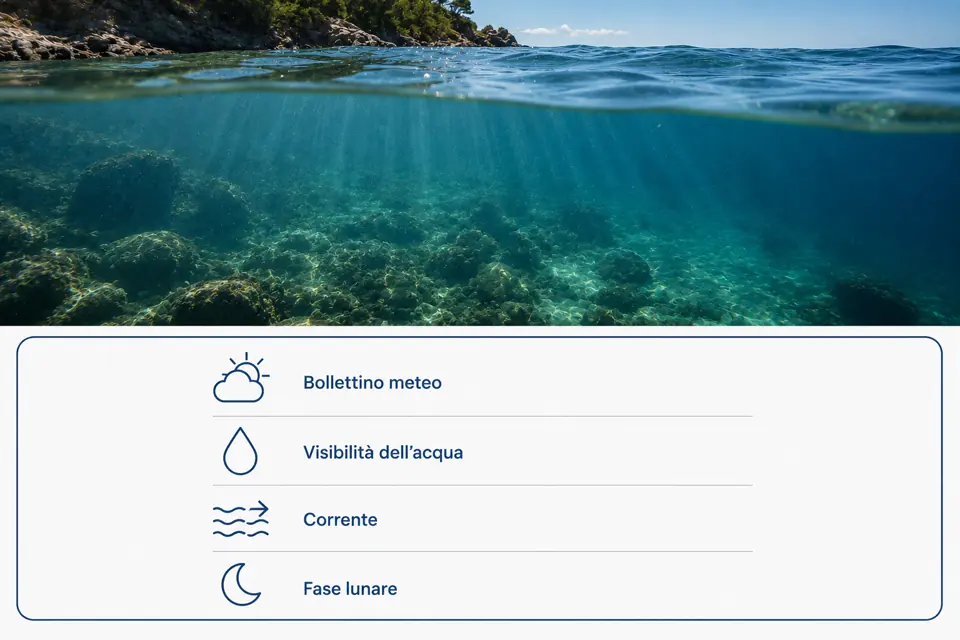
Coastal conditions graphic with Fishie forecast factors: weather, visibility, current, and moon
Copilot
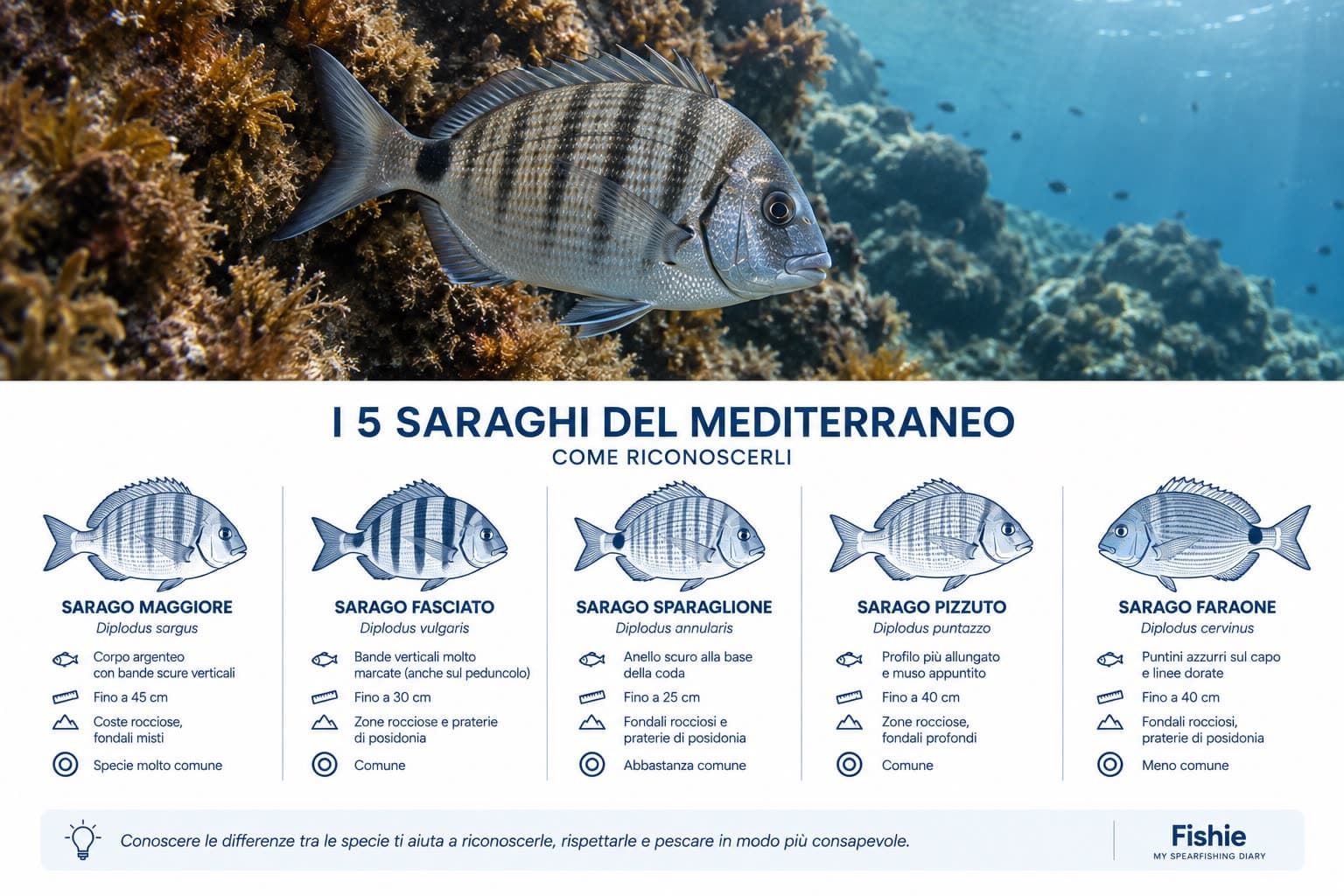
Fishie guide to recognizing five Mediterranean sea bream species
Guide
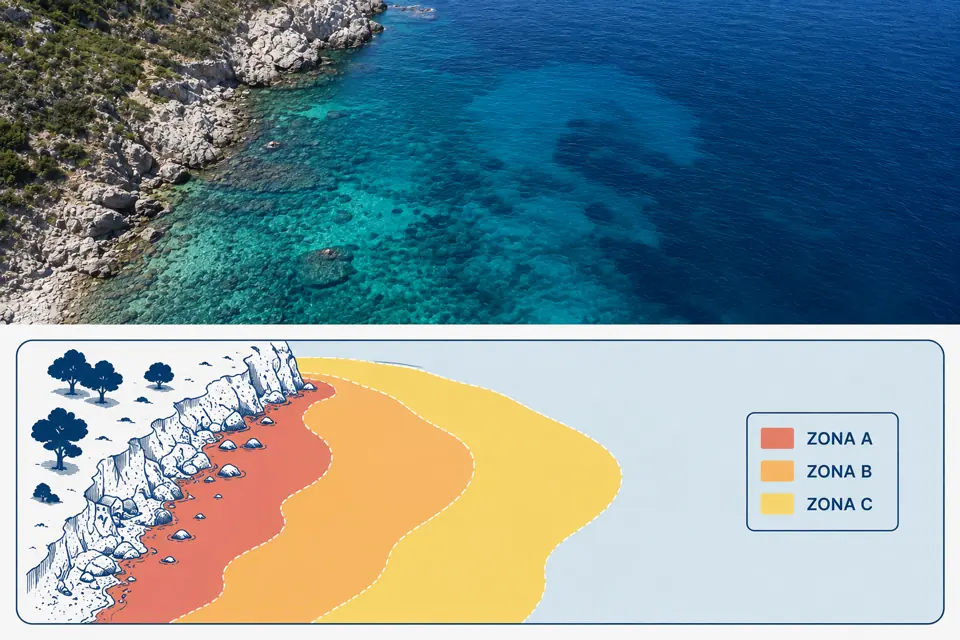
Aerial coastline with a diagram of marine protected area zones
Map

Visuals · Fishie

The challenge

The problem

The outings already existed. The useful part of them did not.

A spearfisher remembers a morning at a familiar spot: underwater visibility, current, which gun, which technique, what showed up. That memory lives across WhatsApp, camera rolls, Google Maps pins, and a notebook that stays closed until the next trip. By the time you plan the weekend, you are guessing from weather and habit, not from your own record.

Two fishers can be in the same sea, on the same day, and come home with completely different results. A generic fish-activity chart treats them as the same person. It does not know that you hunt inside a cave — in tana — with a short gun, that this point fishes at sunset in July, that you do not go past 18 metres, or that last year's similar pressure and moon did nothing at your rock. "Tomorrow fishing will be good" is the sentence Fishie is not trying to say. Mediterranean spearfishing is specific. The usual tools were not.

The questions beside the diary had no dependable starting point either. Is this marine protected area (an AMP) off-limits for spearfishing? How far from the beach? What is the legal minimum size, the taglia minima? The answers sit in decrees, harbour-master ordinances, and magazine lore. Getting them wrong is a fine, or worse.

Dario's ask was simple. Build the diary he would actually use, let recommendations draw on that personal record as it fills, and keep going after launch — because a product like this only becomes true once people fish with it.
The solution

The solution

Fishie is a private web app, and a home-screen icon, where a spearfisher logs spots and outings, then gets a forecast, Copilot advice, and a chat companion that can read that history. Spots stay theirs. Recommendations draw on more of their own experience as the diary fills. We do not retrain a model on each person. We give the same system a longer, more specific record to work from, then ship the next slice from what people actually do.

Weather, sun, moon, and Mediterranean seasonality still matter. The personal diary is the dataset that makes the advice theirs. The aim is not a weather app, and not a notebook that only stores the trip. It is a personal fishing copilot: closer to "tomorrow, at this spot, in these conditions, you have a real chance of meeting this species — and here is why" than to a blanket "tomorrow will be good."

The diary comes first

The product is built around the outing. A spot on a personal map. Date, window, technique, conditions, catches, photos. A camera roll can be imported and grouped by date and GPS, so past seasons can enter the diary without a blank form for every trip.

Richer personal statistics on the home screen are a product choice: they open after ten logged trips. Before that, the diary is still useful, and we say the picture is incomplete.

Google Maps pins can come in. Photos can become drafts. The Arsenal holds the guns this person actually owns — length, type, notes, the techniques they are for — so a later recommendation can name their 90 cm gun, not "a mid-length speargun".

Copilot, once there is a history to read

Forecasts started from the conditions: solar windows, wind, pressure, tide, moon, season. We kept those versions so a change could be compared with the one before it. That was still a general sea.

Copilot is the step that reads this fisher. It gathers the spot, the diary, and the forecast, looks for similar outings, then recommends a window, a technique, a zone, likely species, and a gun. It will not suggest a depth past the user's own maximum, and it will not send someone into the water before dawn. If the diary is from a different season than the date they asked about, Copilot says the fit is weak.

The full recommendation chain is another product choice, separate from the ten-trip stats. It starts after two outings, because that is the first time there is something to compare. Below that, we do not invent a personal pattern.

Teach Fish Buddy lets someone write what the forecast cannot see: typical visibility at this mark, the drop-off that only works on a north-west wind, the gun that is wrong in a cave. Those notes are context for the next recommendation. They are not, by themselves, proof that the recommendation got better.

Fish Buddy

Chat came after the diary and Copilot were already in use. Fish Buddy talks like a dive buddy. It can read spots and entries, pull weather and fish activity, run Copilot, search Italian spearfishing rules and safety notes, and recommend from the Arsenal.

For a spearfisher it stays on spearfishing. It will not say you are "allowed" or "safe". Answers about the rules cite sources and ask you to check the official text. "Today" and "this weekend" follow the phone's calendar, not a server clock in UTC.

On the water, and in public

The app is a PWA in Italian and English, meant for a phone. Marine protected areas are drawn on the map. A public guide — minimum sizes, distances, protected areas, technique, species — is written so a person can read it and so Fish Buddy can search the same material.

Sharing an outing or a spot is a link you choose to send. Marks stay private unless you do.

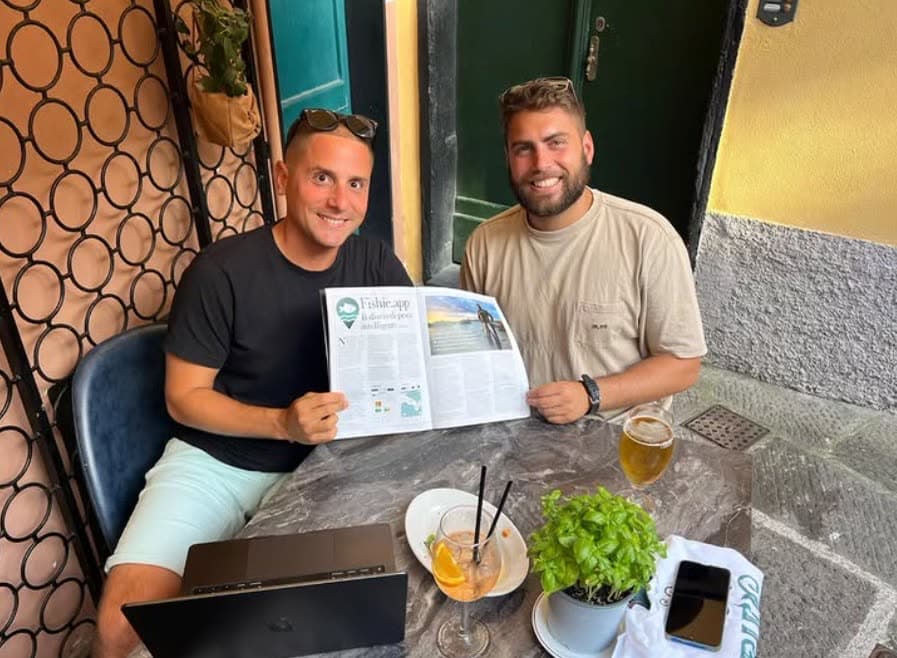
Dario De Sanctis holding open the PescaSub & Apnea feature on Fishie.app
PescaSub & Apnea · press

The approach

Approach

We shipped a diary people could log into, then added intelligence where that record could support it.

Dario already had the community. Before the app was open, Fishie took a waiting list from that audience, including coverage in PescaSub & Apnea, the magazine that sits on the same shelves as the guns. About 1,000 people joined. We wrote to them about the product: how to think about a personal diary, why history matters more than one "is today good?" tap, why spots stay private. When we opened the gate, people on the list came in with a trial.

Then we kept building with Dario in the loop. He fishes the product. He argues with Copilot when it is vague. He teaches spots. Edge cases arrive as real outings: a mark in Greece, a photo dump from last August, a gun that should never go in a cave, a question about a protected area at 6 a.m. on a phone. We shipped in slices — forecast, diary, Copilot, the waiting-list launch, Fish Buddy, teaching notes, the guide, the Arsenal — and we could see whether each slice was being used.

That measurement is how we compare a change, look into a weak recommendation, and keep going. Copilot's prompts can be revised without rewriting the app. Chat activity is tracked without sending message text to Mixpanel, which matches the promise that the diary stays private.

Dario did not hand us a spec and walk away. The product is still moving because the sea, the rules, and the diary keep changing.

Impact

Impact

Fishie opened into a community that was already waiting. The list around Dario's name — about 1,000 people, and a feature in PescaSub & Apnea — became a live product.

As of September 2026, the counters published on fishie.app showed 3,000+ users, 2,500+ personal spots, 2,000 logged outings, and 2,500+ fish recorded. "Users" here is the published account total. Spots, outings, and fish are recorded activity in the diary. These figures show adoption. They do not, on their own, show retention, forecast accuracy, or better catches.

What people can do with that diary is in the product: a forecast on a chosen mark, Copilot when there are outings to compare, Fish Buddy for the questions that used to live in a group chat, and teaching notes when someone wants a spot described in their own words. Italian rules and protected-area boundaries sit next to the weekend plan.

The work after launch is the same loop: log, look at what happened, tighten the advice, ship the next surface.

The project keeps growing with the people who fish it. The aim is still the one it started with: a tool built around the fisher, learning from the differences between one person's sea and the next. That is the product in the water now, and the one we are still building.

Technologies

Stack

  • Next.js
  • TypeScript
  • Postgres
  • LLM APIs
  • AWS
  • OpenAI
  • Stripe

Have a similar challenge?

Start a conversation about the system you need.