Skip to content
deep tail tech

WorkHydrohulls

HH Support: the right papers for the boat you're on

A support tool for owners and dealers, built around Hydrohulls' own manuals and diagrams.

Hydrohulls makes RIBs in Metamorfosi, on the edge of Athens. The company started in 2019. The people behind it have been in high-performance inflatable boats for more than thirty years. The HH line (HH5, HH6, HH7, HH8, HH9) is for families and for people who already know how they like to drive: open sea, a hull that does not fight you, a finish that looks like someone cared. Service is part of that same story, now with dealers past Greece, including Germany and Switzerland.

Year
2026
Services
AI Assistants · Internal Tools · System Integrations
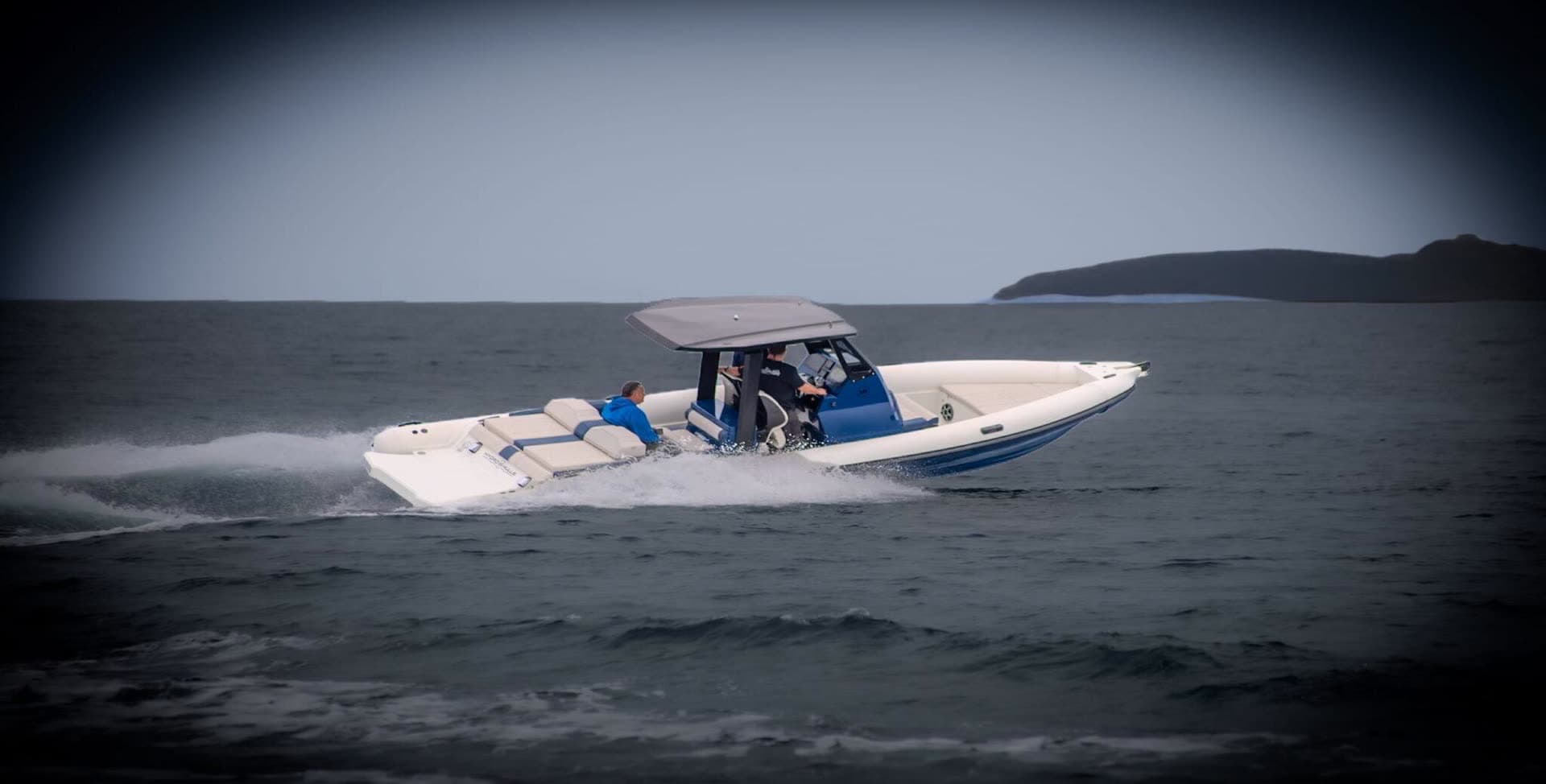
Hydrohulls — campaign visual
Hydrohulls HH7 RIB leaping through choppy open water
HH7
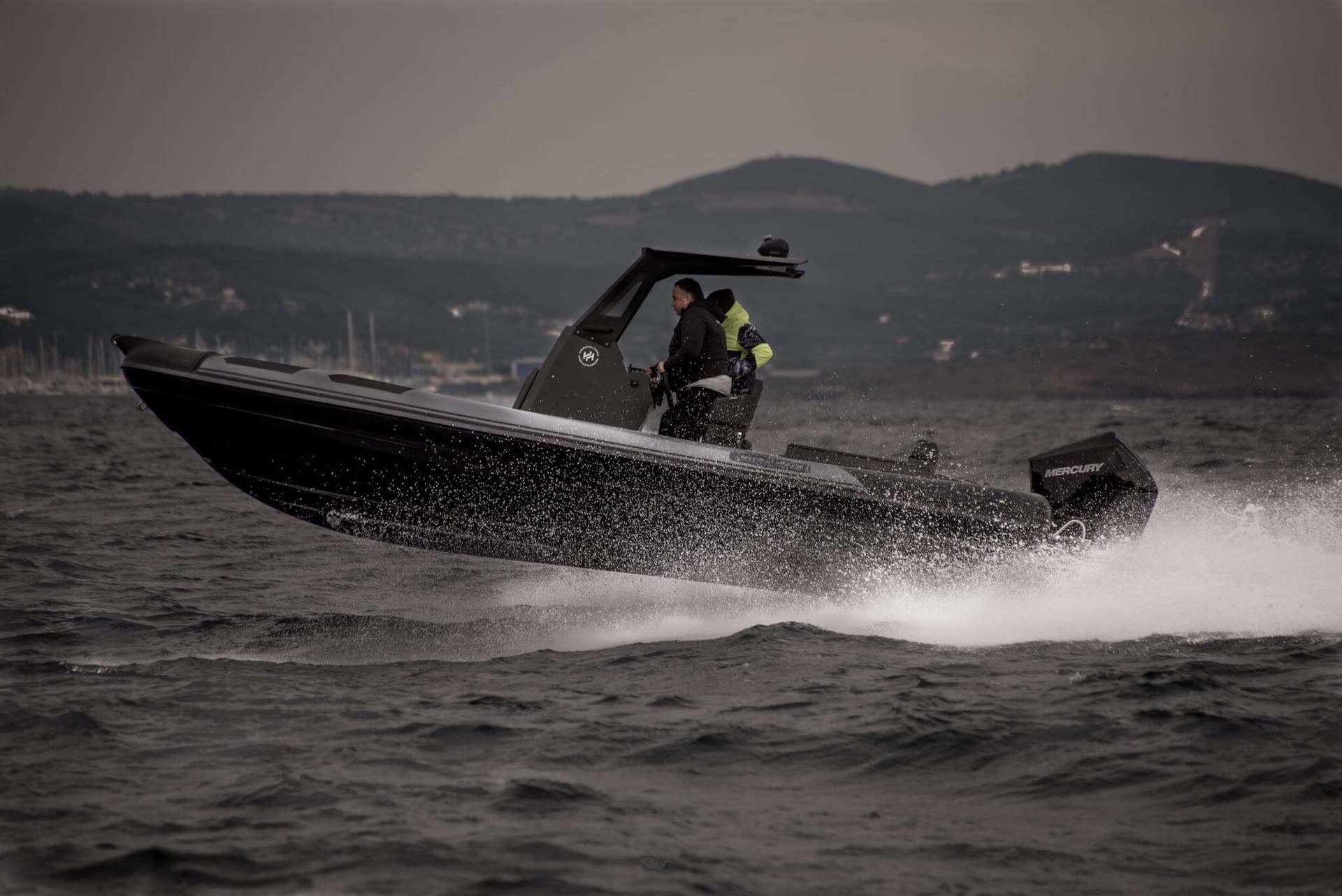
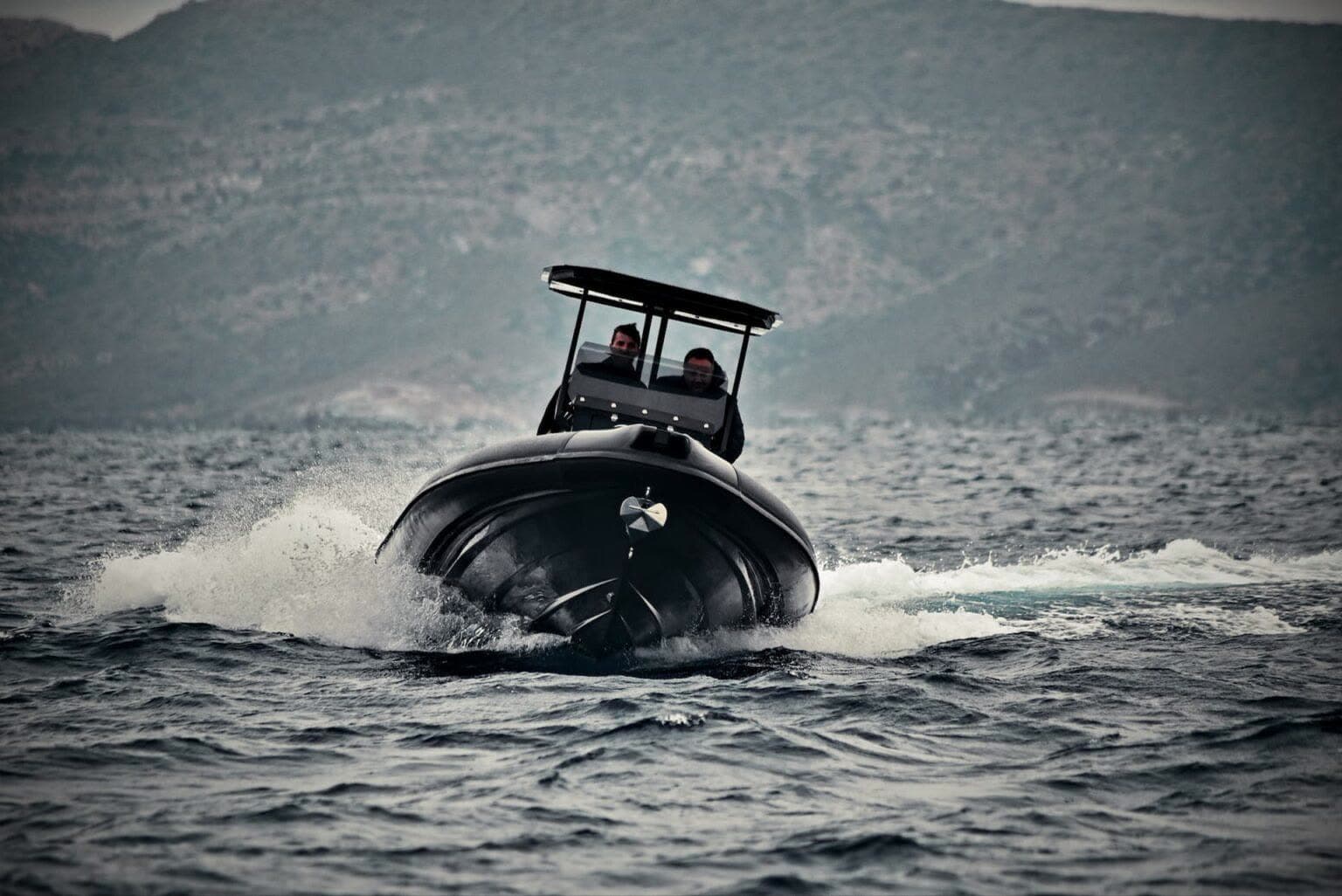
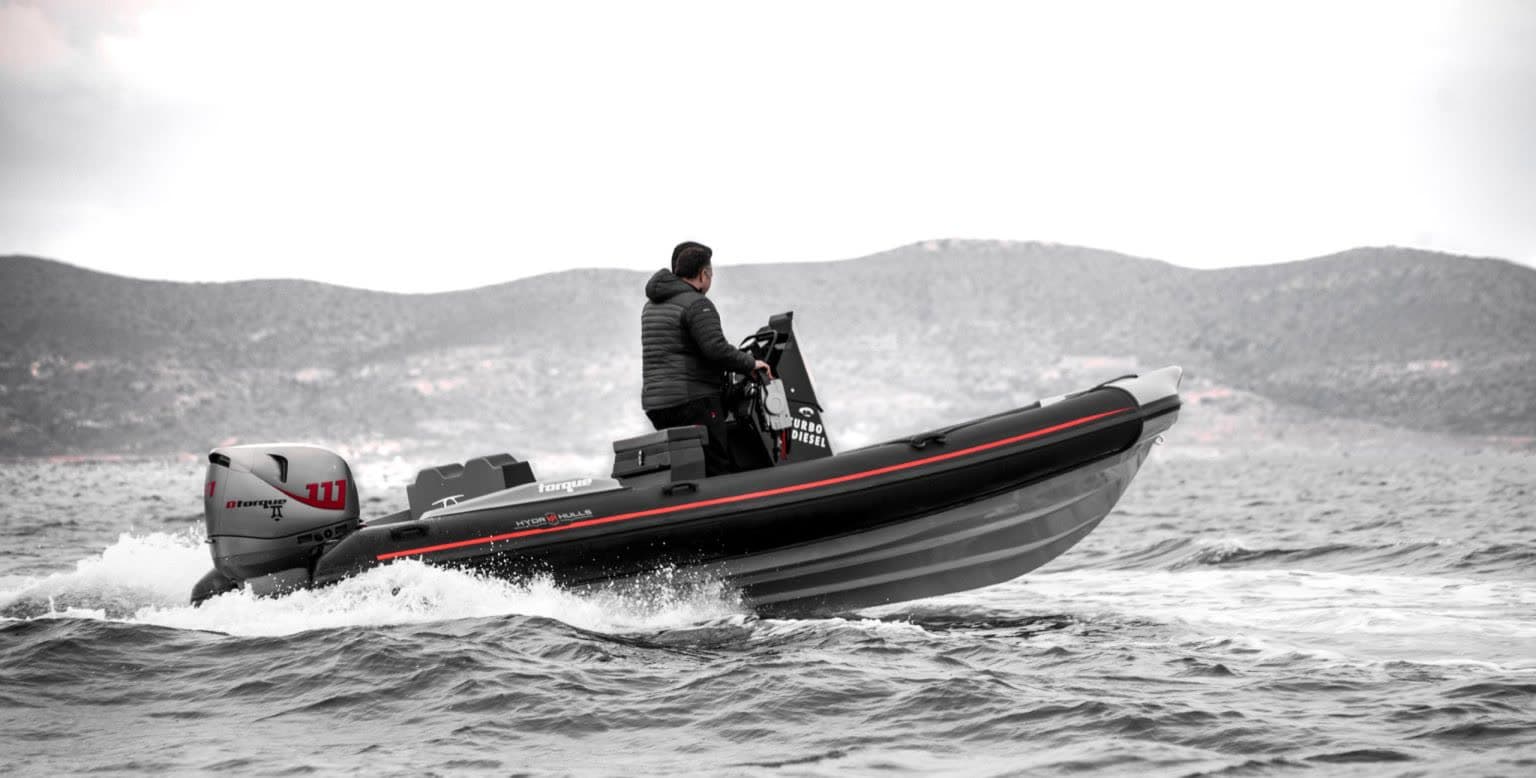
Dark Hydrohulls RIB charging toward the camera through spray
Performance
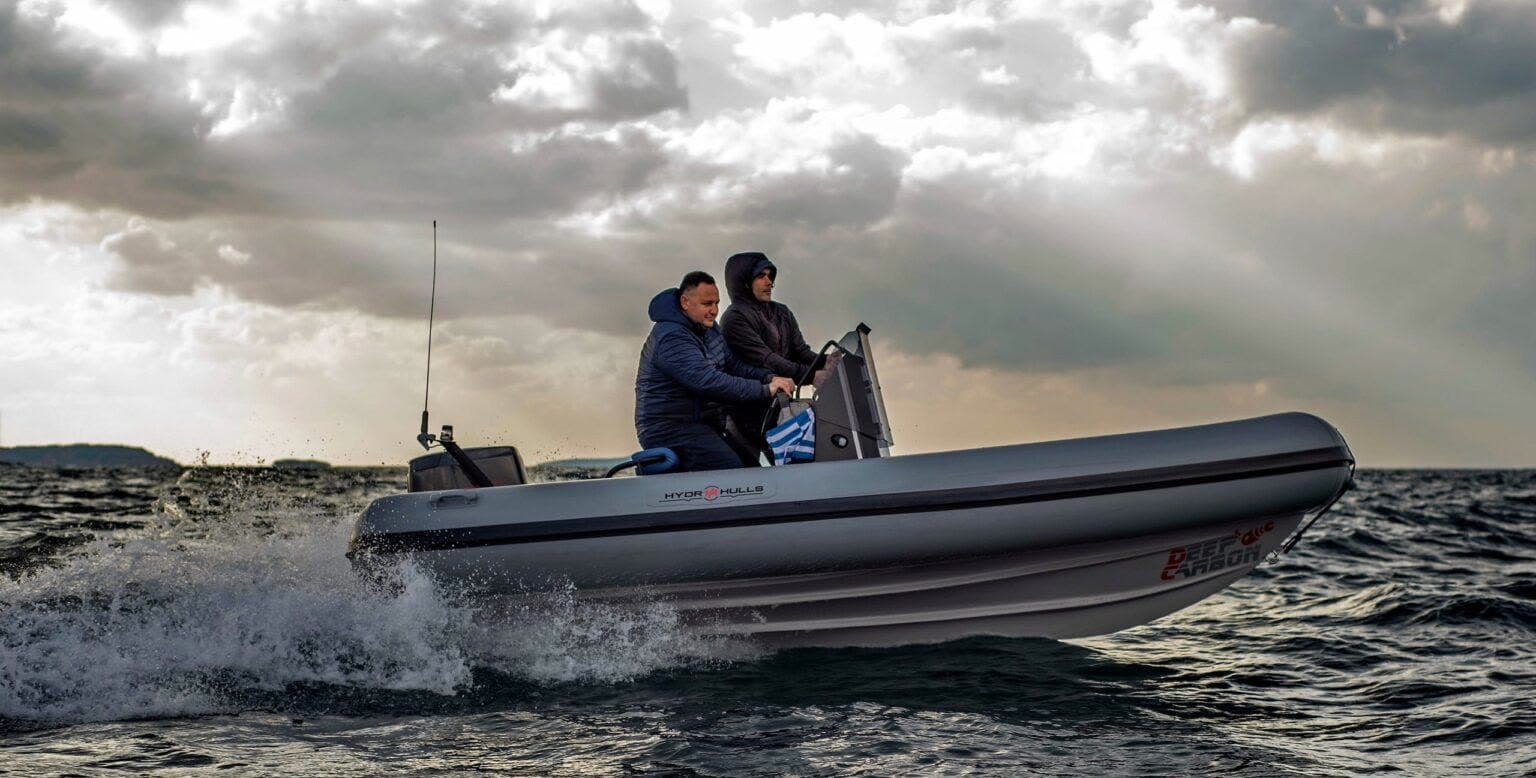
Grey Hydrohulls RIB with Deep Carbon branding at speed
HH5
Hydrohulls HH6 underway along a coastline
HH6
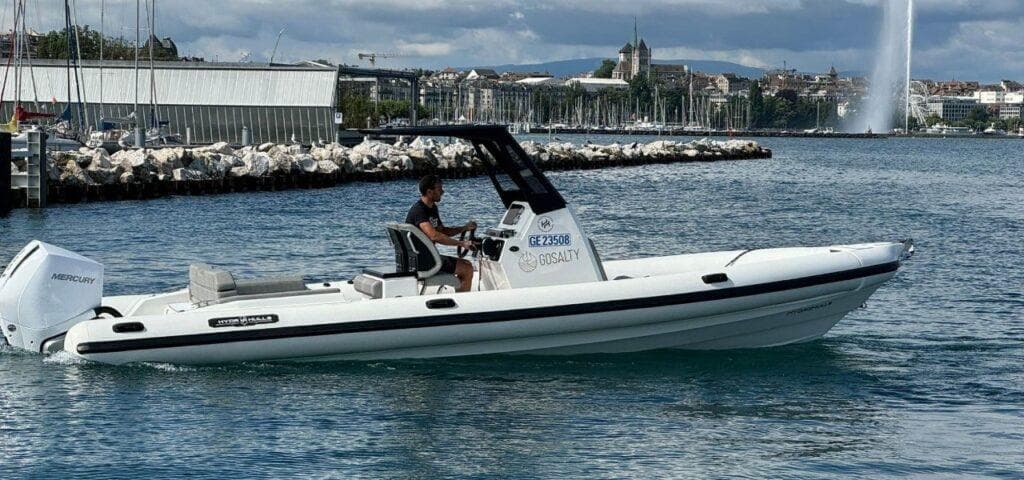
White Hydrohulls HH8 on Lake Geneva near the Jet d'Eau
HH8 · Geneva

Visuals · Hydrohulls

The challenge

The problem

The questions were familiar. The answers lived across manuals, drawings, and equipment books, so a careful reply was hard to give quickly and the same way every time.

These boats are not empty shells. There is an outboard, digital switching, a helm screen, VHF, a windlass, sonar. "How do I use this?" is usually a real technical question, not a one-line FAQ.

The same problems kept coming back. Engine will not start. Bilge pump is quiet. Lights at anchor. How to prime the fuel. How the two batteries combine. Where something sits in the Q Experience menus. Which engine they recommend. What the CE plate actually allows.

Answering those well meant opening the owner's manual, then a Yamaha or Honda book, then a wiring drawing, then a helm-display guide. Often the owner was on the dock, on a phone. Specifications also appeared differently across documents. Marketing might round a length. The owner's manual recorded another. The CE certificate listed a different number of people on board. Get passenger capacity or a steering failure wrong and it is not an awkward email. It is unsafe.

The ask was simple. Could we take a real share of those questions, without putting something in front of paying owners that would guess, bluff, or sound clever while being wrong?
The solution

The solution

HH Support: a private tool for owners, dealers, and Hydrohulls staff. It answers from the yard's own files for the right hull, shows the diagram when that is the useful answer, and leaves warranty and judgement with the team.

HydroHulls support is a website (and a home-screen icon, "HH Support") that people can talk to in ordinary language. Each question looks up the relevant Hydrohulls files and answers from those files. It does not pretend it has been on the water with you, and it does not read live data off the boat.

The right boat, not a neighbour's paperwork

You are on an HH5 or an HH8, not "a Hydrohulls" in the abstract. Lookups are limited to that hull's papers plus the shared component manuals. An HH6 owner should not get HH7 certificate numbers mixed into the reply.

Access is private, not a public page. Owners, dealers, and Hydrohulls staff each have their own way in, with a view that fits the role. An owner is recognised by their boat, so the model is already known. Dealers and staff can choose which hull they are looking at, and can see short quotes from the pages behind an answer. Owners see the answer and the pictures, not the workshop view. A conversation stays with Hydrohulls.

When the manuals disagree

If a fact comes from a Yamaha book, it should sound like it came from a Yamaha book, not from the yard.

When two Hydrohulls files disagree, both numbers should appear, each with its source. For a few safety-critical HH7 figures we locked the official reading: length and beam from the owner's manual and the EU declaration, not from a brochure that rounds the boat to "7 m" or "8 meters". How many people you may carry follows the certified CE Category C limit; other sheets that say 10 stay as a side note, not as the rule. We did that because a guessing average would split the difference, and you cannot split the difference on a plate.

The answer names the document in normal words. Owners never see internal file IDs. If the tool is only asking "does it crank?", sources wait until there is a real procedure.

Pictures where pictures help

A lot of these questions are "show me": which way the primer bulb sits, how the batteries are wired, the bilge fuse, light arcs, the kill switch, the sun tent, the switches in the glove box. We wrote short notes next to the drawings so those questions can bring up the matching image under the answer.

When a picture is on screen, the text stays short: what you are looking at, and the labels that matter for safety.

One question, then the useful steps

Vague faults get one short follow-up, often with tap-to-reply buttons on a phone. Does the engine turn over, or is it silent? Is the bilge dead on MANUAL, only on AUTO, or both? Are you underway or at anchor? After that, only the matching checks, a handful of bullets, not CoastKey plus fuel plus batteries in one breath.

If someone asks the fuel capacity, or "where is the bilge pump?", we just answer.

The outboard on this transom

"Yamaha 250" is not enough. Mercury drive-by-wire is not the same book as mechanical. A Honda BF250 is not a BF115. Before we quote break-in, flushing, oil, or fault steps from an engine manufacturer, we need the code on the plate, checked against the manuals we actually have. If we do not have that code yet, we ask once or we stay on Hydrohulls' own wash and fuel guides. If that engine is not in the set, we say so. We do not borrow a cousin's manual and hope.

Built for the dock

The screen is for fixing the problem: first line is the fact or the next action, bullets not essays, a table only when a maintenance chart really needs columns. Suggested questions match what people already ask. You can copy, download, or email a conversation to Hydrohulls when you want a person. Treat those exports as private; they are a full chat.

Warranty, inspection, and anything the books do not cover stay with the Hydrohulls team. The tool is there for the lookups the manuals can answer.

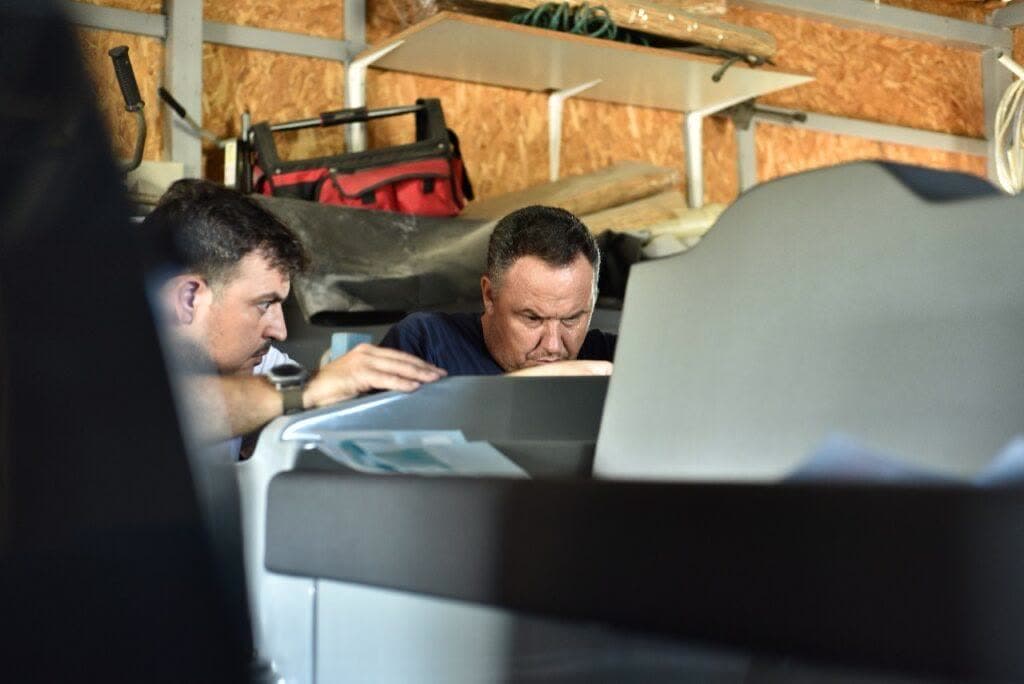
Hydrohulls craftsmen inspecting a hull in the Athens yard
Yard · Metamorfosi

The approach

Approach

We started with the tickets, not with a blank chat box. We designed around real edge cases, then kept shipping with Hydrohulls as the library grew.

We listed the questions that actually repeat: specs, electrics, outboard care, anchoring, how the boat sits in a seaway, helm electronics, and the scary one: nothing at the helm works. When a symptom was vague ("won't start", "bilge is dead"), we did not want a wall of every possible check. We wanted one follow-up, then the right branch.

Then we sat with what Hydrohulls already had: owner manuals, CE papers, troubleshooting notes, CAD and maintenance drawings, plus the books that ship with the kit (outboards, Icom and Lowrance VHF, Q Experience, Quick windlass, CoastKey, and the rest). We put every file in a catalog, marked which hull it belongs to or that it is shared across the range, and wrote down where figures differed instead of pretending they were not there.

We wrote the rules of the job before we worried about tone. Stay in Hydrohulls' documents. Name the manual you used. If the price or the boat warranty is not in the files, say so. Do not invent a spec because "boats like this usually…". Be careful on anything that can hurt someone. Owners, dealers, and Hydrohulls staff do not all need to see the same behind-the-scenes text.

Hydrohulls did not hand us a folder once and walk away. The yard keeps feeding the library. New PDFs, diagrams, Q Experience screen shots, and boat records keep arriving. We have a catalog, we upload what changed, we check that the live library still matches, and we can pull new material from their private cloud storage without uploading the same file twice.

We also keep a list of test questions covering facts, safety, "ask first", and "do not answer this", and run them again whenever we add manuals or change behaviour. That is how we knew we had not quietly broken passenger capacity while fixing the bilge pump.

Impact

Impact

Recurring technical lookups now have a channel tied to the right hull. Measured time saved is still to come, once we have production use. The cases that need a person stay with the yard.

The questions the manuals can answer (fuse size, the voltage where the batteries combine, when to change the impeller, lights at anchor, which Q Display path, which photo of the primer bulb) have a place to go. A dealer in another country can pick the model and see the same material, including the short quotes from the pages. An owner only sees what belongs to their boat.

We built the source limits, the tests, and the hand-off to a person so Hydrohulls can put the tool in front of customers with clear boundaries.

Hydrohulls did not ask for a gimmick on the website. They asked for support that feels like the boats: careful, specific, and serious about the details that matter. That is the channel we built, and a library we can keep filling as the HH series, the electronics, and the dealer list grow.

Technologies

Stack

  • Next.js
  • TypeScript
  • LLM APIs
  • Document search
  • PWA
  • Vector Database Storage
  • Automation

Have a similar challenge?

Start a conversation about the system you need.